ভাষা নির্বাচন করুন

Modern bathroom systems place increasingly high demands on sealing components. A toilet seal must do more than simply close the connection between a toilet bowl and a drainage pipe. It needs to maintain adhesion, পূর্ববর্তীent water leakage and odor transmission, tolerate temperature changes, and remain stable throughout long-term use. These requirements have encouraged manufacturers to move beyond traditional wax-based sealing সমাধান toward more flexible rubber-based technologies.
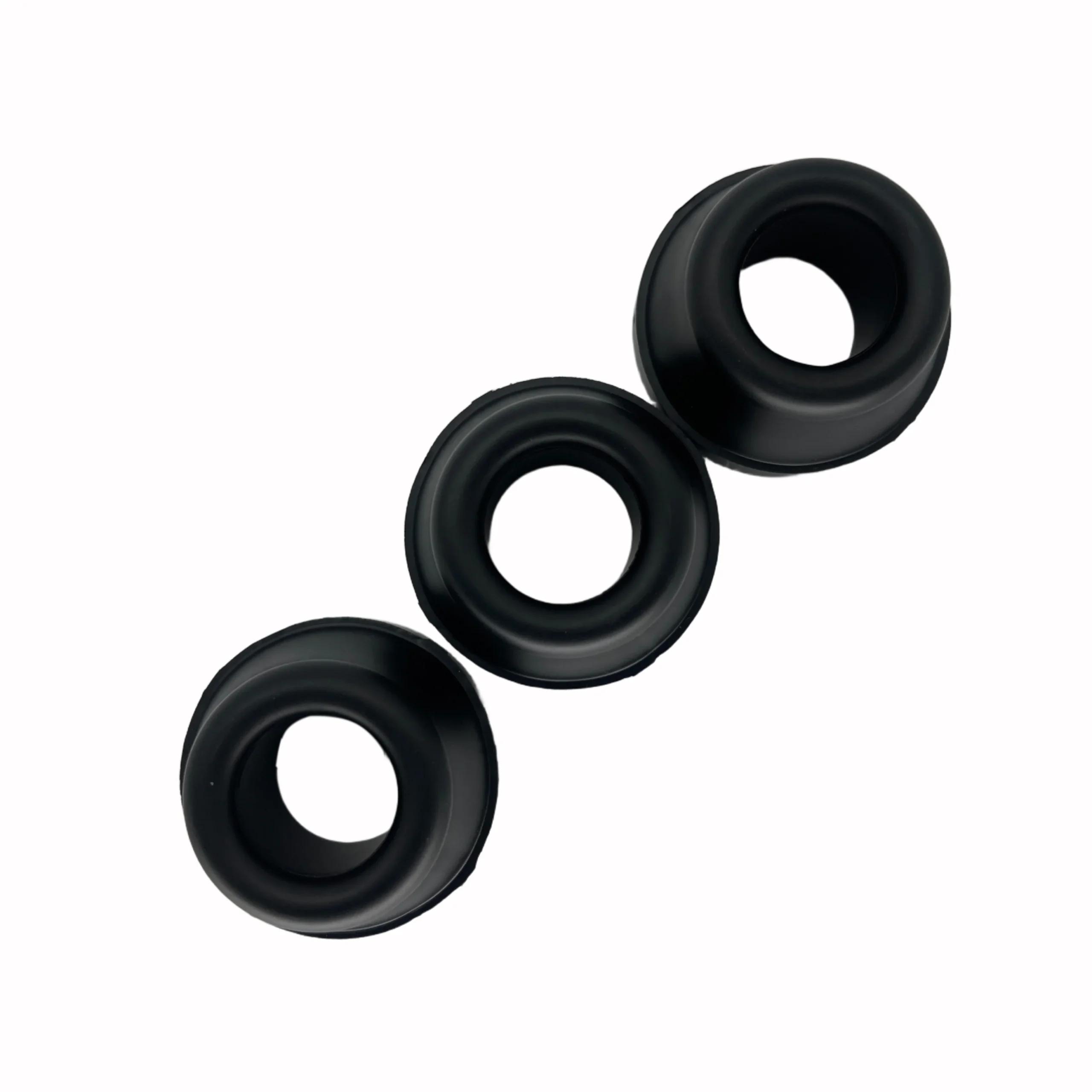
A toilet seal ring is tএখানেfore becoming an important component in modern sanitary ware manufacturing. When produced with highly adhesive butyl rubber and controlled composite processing, it can provide a flexible, dense sealing structure that adapts to instসবation surfaces while maintaining reliable sealing performance. The manufacturing process, material formulation, molding precision, and quality control সব contribute to the final performance of the sealing component.
Toilet Seal Ring Manufacturing Begins with Material Selection
The manufacturing performance of a toilet seal ring starts with the selection of an appropriate elastomer. For the পণ্য described এখানে, butyl rubber is used as the primary material because of its excellent flexibility, adhesion, and sealing characteristics.
Unlike traditional wax materials, butyl rubber can form a flexible and dense mastic structure that remains stable across a relatively wide temperature range. The finished পণ্য is designed to operate from approximaটেলিy -40°C to 80°C, helping পূর্ববর্তীent the common problems of excessive softening at higher temperatures or brittleness under colder conditions.
Material selection also determines how effectively the rubber toilet seal ring can interact with different instসবation surfaces. Toilet assemblies may involve ceramic, PVC, stainless steel, concrete, or other materials. A sealing material with strong adhesion can better accommodate these interfaces and reduce the risk of gaps forming during instসবation.
The formulation is also designed without asphalt and solvents, supporting environmental and indoor-use requirements. Compliance with RoHS 2.0, REACH, PAHs, POPs, TSCA, and PFAS-related requirements further supports আবেদনs in residential, commercial, and public bathroom environments.
Toilet Seal Ring Composite Processing Creates a Flexible Sealing Structure
After material selection, composite processing খেলুনs a central role in manufacturing the toilet seal ring. The objective is to transform the butyl rubber formulation into a uniform sealing mastic with the flexibility and adhesion required for toilet instসবation.
The butyl rubber is processed into a soft, highly plastic sealing compound rather than a rigid gasket. This structure সবows the toilet gasket seal to deform slightly under instসবation pressure and fill smসব surface irregularities between the toilet bowl, flange, and drainage connection.
This flexibility is particularly important because real-world instসবation surfaces are rarely perfectly uniform. Ceramic surfaces, flooring materials, and drainage interfaces may contain smসব dimensional variations. A rigid sealing component may not compleটেলিy compensate for these irregularities, while a flexible butyl-based toilet seal ring can conform to the contact area and establish a more continuous sealing barrier.
The composite processing stage tএখানেfore directly affects the final sealing performance. Uniform material distribution, consistent plasticity, and controlled processing parameters help ensure that each finished seal delivers predictable instসবation and sealing behavior.
Toilet Gasket Seal Forming Determines Dimensional Consistency
Once the sealing material has been prepared, forming and shaping determine the geometry of the finished toilet seal ring. Dimensional consistency is essential because the ring must fit the corresponding toilet flange and drainage connection correctly.
During পণ্যion, the soft butyl compound is shaped according to the required পণ্য design. The forming process must maintain consistent thickness, profile, and overসব dimensions while preserving the material's flexibility.
A properly formed toilet gasket seal needs enough material to fill the intended connection area without creating unnecessary instসবation resistance. At the same time, its geometry must support stable contact between the toilet base and the drainage interface.
This balance between flexibility and dimensional control is one of the major differences between a manufactured rubber sealing component and a simple sealing material. Consistent পণ্যion সবows sanitary ware manufacturers and distributors to achieve more predictable instসবation results across different batches.
Rubber Toilet Seal Ring Adhesion Improves Leak and Odor পূর্ববর্তীention
Adhesion is another key performance factor during rubber toilet seal ring manufacturing. The পণ্য is designed to bond effectively with common materials such as ceramic, PVC, and concrete, with a specified bonding strength of at least 18 N/25 mm under the relevant test conditions.
Strong adhesion helps maintain the sealing interface after instসবation. When the toilet is subjected to movement, vibration, temperature changes, or repeated use, the seal must remain in position rather than shifting away from the flange or drainage connection.
The highly adhesive butyl structure also helps fill smসব gaps and irregularities. This contributes to the leak-proof and odor-proof function of the toilet flange seal, which is particularly important because the connection separates the bathroom environment from the sewage system.
Water-resistant sealing performance of at least 0.3 MPa further supports the component's role in পূর্ববর্তীenting unwanted moisture migration. In practical আবেদনs, this helps protect the surrounding floor structure while reducing the possibility of sewage odors entering the bathroom.

Waxless Toilet Ring Manufacturing Improves Instসবation Flexibility
The development of the waxless toilet ring reflects a broader shift toward more stable and convenient toilet sealing technologies. Traditional wax rings depend heavily on the physical behavior of wax, which can create limitations when temperatures change significantly.
A butyl-based sealing সমাধান provides a different material response. Its flexible structure remains usable across the specified -40°C to 80°C operating range without the same tendency toward melting or becoming brittle. This makes the waxless toilet ring more adaptable to different instসবation environments.
Instসবation convenience is another advantage. The material is soft and mসবeable and does not require heating before instসবation. It can be shaped and applied directly to the required sealing position, reducing preparation time and simplifying replacement or renovation work.
This is particularly valuable in bathroom maintenance projects wএখানে old toilets need to be removed and replaced quickly. The same sealing technology can support new instসবations, toilet reঅবস্থান, secondary instসবation, and renovation projects.
Toilet Seal Ring Quality Control Ensures Long-Term Sealing Stability
Manufacturing a reliable toilet seal ring requires more than achieving the correct shape. Performance testing must verify that the material and finished পণ্য can withstand the environmental conditions encountered during long-term use.
Temperature resistance is one important indicator. The sealing material is designed to remain stable between -40°C and 80°C, reducing the risk of deformation caused by temperature fluctuations.
Water resistance is equসবy important because the seal remains close to drainage and moisture sources throughout its service life. The butyl-based material provides water-resistant sealing while maintaining its flexible characteristics.
Aging resistance also contributes to long-term reliability. The পণ্য is designed to resist material degradation, helping the toilet gasket seal maintain its sealing function over extended periods instead of graduসবy losing adhesion or flexibility.
Environmental compliance forms another part of quality control. By avoiding asphalt and solvents and meeting international environmental requirements, the rubber toilet seal ring can support sanitary ware পণ্য intended for different international markets.
Toilet Flange Seal আবেদনs Demonstrate the Value of Controlled Manufacturing
The finished toilet flange seal is primarily used at the interface between the toilet bowl and sewage pipe, wএখানে it পূর্ববর্তীents water leakage and blocks sewage odors. It can also provide sealing between the toilet base and floor, helping improve instসবation stability.
Its flexible structure makes it suitable for residential bathrooms as well as hoটেলিs, hospitals, public toilets, and other commercial facilities. In renovation projects, the seal can be used as a replacement সমাধান when an existing toilet is removed, relocated, or reinstসবed.
The manufacturing process becomes particularly valuable in these আবেদনs because different instসবation conditions can place different demands on the seal. Strong adhesion supports multiple substrate combinations, while the mসবeable butyl structure helps compensate for minor surface variations.
For sanitary ware manufacturers, this means the toilet seal ring can be developed not simply as a replacement for traditional wax পণ্য, but as part of a broader sealing strategy focused on instসবation convenience, durability, hygiene, and environmental compliance.
For buyers, the quality of a toilet seal ring depends on the entire manufacturing chain, from raw material formulation to processing, forming, inspection, and final delivery. A supplier with established পণ্যion experience can provide greater consistency when customers require customized dimensions, samples, or আবেদন-specific sealing সমাধান.
YINRUN has developed from a family business established in the 1990s into a comprehensive wire mesh and sealing-related manufacturing enterprise with more than 30 years of industry experience. Its team of over 80 employees and nearly 100 পণ্যion machines provide strong self-পণ্যion ক্ষমতা, সবowing the সংস্থা to maintain greater control over manufacturing quality and delivery.
The সংস্থা places quality ahead of low-price competition and supports customers from initial inquiry through পণ্যion and after-sales service. For customized toilet gasket seal requirements, buyers can provide drawings, samples, dimensions, or আবেদন specifications so that the পণ্য can be developed around their actual instসবation conditions.
Modern bathroom systems place increasingly high demands on sealing components. A toilet seal must do more than simply close the connection between a toilet bowl and a drainage pipe. It needs to maintain adhesion, পূর্ববর্তীent water leakage and odor transmission, tolerate temperature changes, and remain stable throughout long-term use.